
Categories
Client Stories, Real Estate PlanningPublished July 1, 2026
Land Transactions in Oklahoma: What Buyers and Sellers Need to Know in 2026

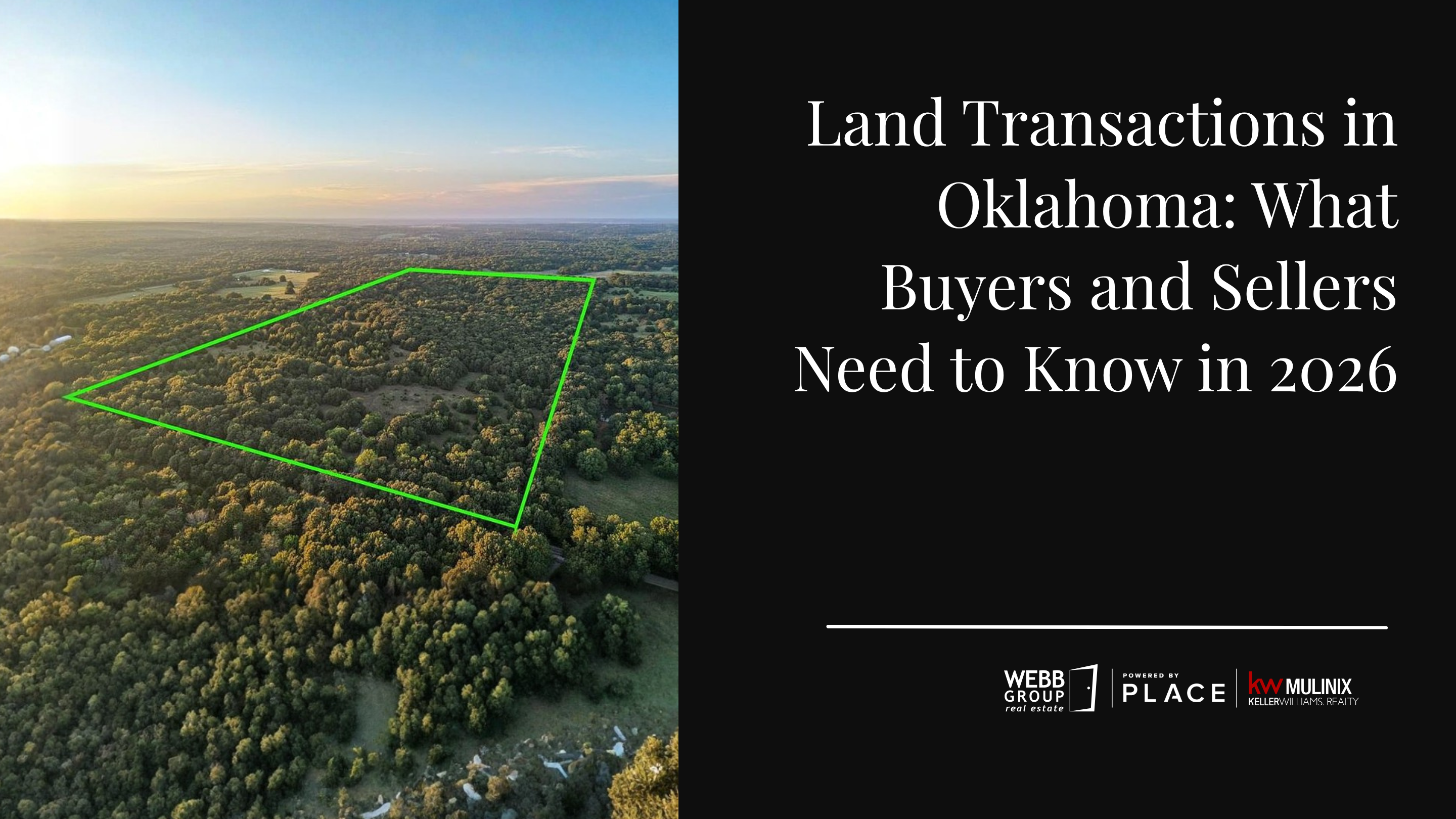
In 2026 alone, Mario Davis has already closed three land transactions, two on the buyer side and one on the seller side, offering real, current experience in a part of the market that often requires more planning, due diligence, and strategy than many people expect.
Recent land closings reflect the range of issues that can shape these transactions from start to finish. Financing structure, title coordination, intended use, access, zoning, and long-term planning all play a role. That experience has reinforced something simple: land can be an incredible opportunity, but the details matter.
Unlike an existing home, land does not always speak for itself right away. A home gives buyers something tangible to evaluate - square footage, layout, condition, upgrades, and comparable sales. Land requires a different lens. Buyers and sellers need to think more carefully about potential, limitations, cost beyond the purchase price, and how the property fits a long-term goal.
Why Land Transactions Require More Up-Front Clarity
One of the biggest differences in a land transaction is that so much of the value depends on what the property can realistically support. A parcel may look appealing on paper, but that does not always mean it aligns with the buyer’s plan.
Important factors often include:
- zoning and allowed use
- road frontage and legal access
- easements
- utility availability
- septic or well requirements
- flood zone status
- topography and drainage
- survey and boundary clarity
- development or building potential
These are not minor details. They often shape financing, negotiations, timelines, and whether the property truly works for the client’s intended use.
What Buyers Should Pay Attention to When Purchasing Land
Start with the intended use
Before a buyer gets too far into the process, it helps to be clear about the goal. Is the property intended for a future home, investment, recreational use, resale, or long-term hold? The answer affects how the land should be evaluated and what due diligence matters most.
Look beyond the purchase price
With land, the contract price is only one part of the picture. Buyers may also need to consider utility installation, site preparation, permits, surveys, driveway access, drainage work, or other improvements before the property can serve its intended purpose.
Confirm access early
Legal and practical access matters. A property may have strong potential, but if access is limited, unclear, or more expensive to improve than expected, that can change the value of the deal quickly.
Review utility availability and infrastructure
For many buyers, utility access becomes one of the most important parts of the decision. Whether utilities are already available, nearby, or need to be brought in can significantly affect both timeline and cost.
Pay attention to zoning and restrictions
Not every parcel supports every use. Zoning, deed restrictions, setbacks, floodplain issues, and local rules can all affect what a buyer can build or do with the property.
What Sellers Should Know Before Listing Land
Acreage alone does not determine value
Land is not priced based on size alone. Location, access, usability, improvements, flexibility of use, and development potential all influence what buyers see as valuable.
Clear positioning matters
A land listing needs to answer more questions than many traditional home listings. Buyers want clarity on what makes the property useful, what is already in place, and what the opportunity really is.
Better information creates better interest
The more clearly a property is presented, the easier it is for serious buyers to evaluate it. Surveys, access details, utility information, flood zone context, and other practical facts often help shape buyer confidence much earlier in the process.
The right buyer may be looking for potential, not a finished product
That is one of the biggest differences between land and homes. Buyers are often purchasing a future vision, which means the listing has to communicate possibility as well as facts.
What Recent Closings Continue to Reinforce
This year’s land closings have been a good reminder that successful transactions often come down to clarity, preparation, and understanding the moving parts early. Buyer-side land transactions can involve deeper conversations around financing, future plans, and property fit. Seller-side land transactions often require stronger positioning and a clearer presentation of value.
That is why real experience in land matters. It is not just about getting a property under contract. It is about understanding what questions are likely to come up, what details deserve closer attention, and how to keep a transaction moving with fewer surprises.
With three land transactions already closed in 2026, those patterns continue to show up in real time.
Final Thoughts
Land can create strong opportunities for buyers looking to build, invest, or plan ahead, and for sellers who want to position acreage effectively in the market. But compared with many traditional home transactions, land often demands more up-front clarity and more intentional evaluation.
For anyone considering a land purchase or land sale in Oklahoma, the biggest advantage is understanding the details early. The stronger that foundation is, the more confidently buyers and sellers can move forward.
Ready to Talk About Land?
If you are thinking about buying land, selling acreage, or exploring what is possible with your property, Mario Davis and the team are here to help you move forward with clarity and confidence.
Reach out today to start the conversation and get expert guidance on your next land move.

Missy Webb
Rainmaker | Webb Group Real Estate | PLACE | Keller Williams Mulinix
or another way