
Categories
Getting Your Home Sold - Tips for Sellers, Homeowner's GuidePublished July 1, 2026
What Home Inspectors Usually Flag in Oklahoma Homes

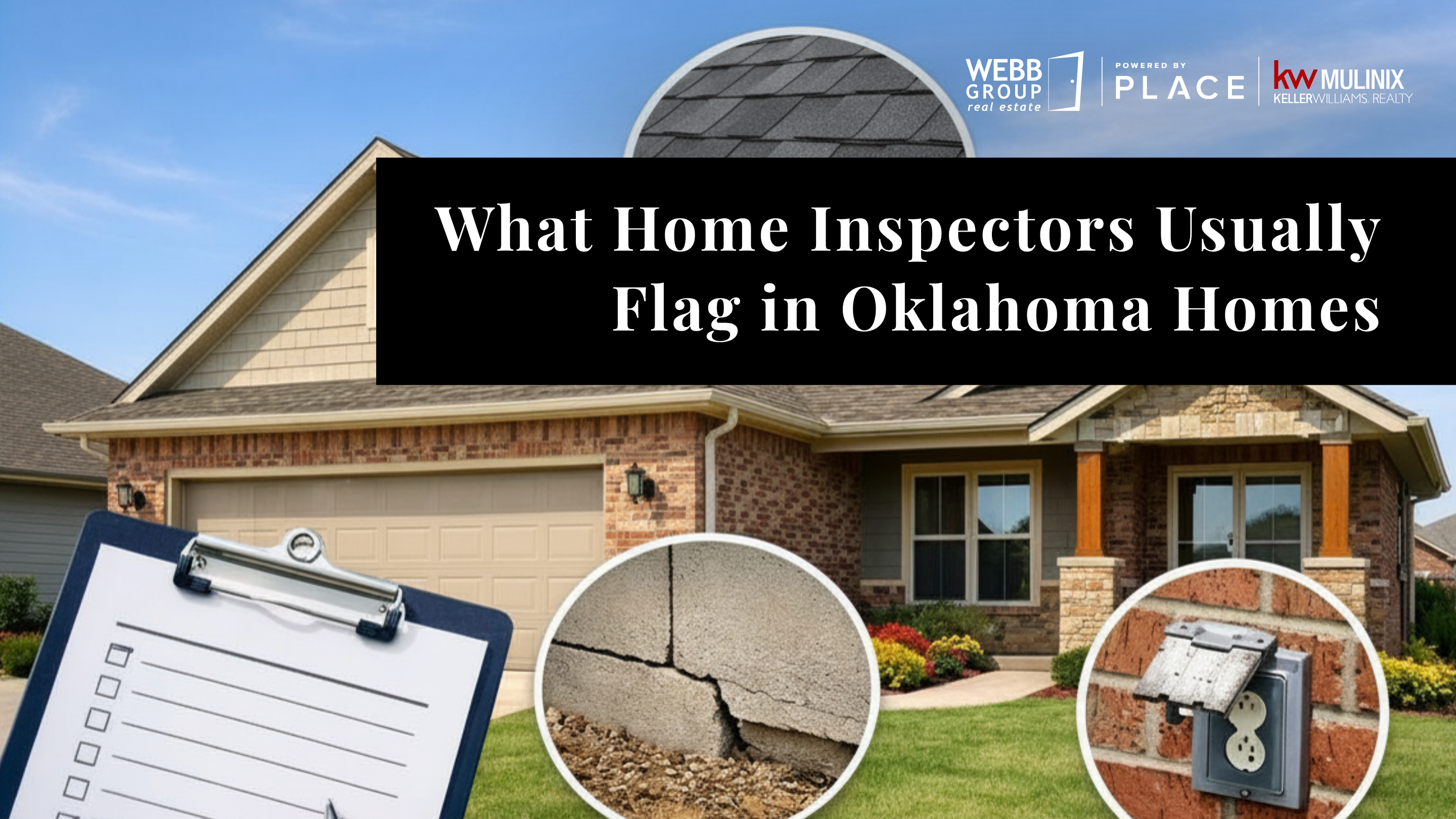
Buying or selling a home in Oklahoma comes with a big milestone: the home inspection. For many people, the word inspection sounds intimidating, but it does not automatically mean a deal is falling apart. In most cases, inspectors are doing exactly what they are supposed to do: identifying issues, safety concerns, deferred maintenance, and areas that may need repair or closer attention.
Oklahoma homes face some region-specific challenges, from shifting soil and storm exposure to heat, moisture, and aging systems. That means certain problems show up again and again in inspection reports across the state.
If you are preparing to buy, sell, or list a home, here is what home inspectors usually flag in Oklahoma homes and why those issues matter.
Why inspection reports matter
A home inspection gives buyers a better understanding of a property's condition at a specific point in time. It can also help sellers get ahead of repairs before a home hits the market. The goal is not perfection. Even well-maintained homes usually have at least a few notes on the report.
What matters most is understanding which findings are minor, which are common maintenance items, and which issues may affect safety, financing, insurance, or negotiations.
1. Foundation movement and structural cracks
Foundation concerns are one of the most common things inspectors flag in Oklahoma. The state's soil conditions, especially expansive clay in many areas, can cause homes to shift over time as the ground expands and contracts with moisture changes.
Inspectors often note:
- Cracks in exterior brick or interior drywall
- Uneven floors
- Doors or windows that stick
- Signs of settling or movement around the slab or pier system
Why it matters: Not every crack means major structural failure, but foundation movement is something buyers and sellers both take seriously. It may lead to additional evaluation or repair discussions during the transaction.
2. Roof damage and storm wear
Oklahoma weather can be rough on roofs. High winds, hail, heat, and heavy storms often shorten roof life or create damage that is not obvious from the ground.
Inspectors commonly flag:
- Missing or damaged shingles
- Signs of hail or wind damage
- Aging flashing or roof penetrations
- Poor drainage or evidence of past leaks
- Soft spots or visible wear near valleys and vents
Why it matters: Roof condition affects insurance, maintenance costs, and future repair planning. In some cases, roof issues can become a negotiation point or require follow-up from a roofing professional.
3. Drainage and moisture problems
Water is one of the biggest long-term threats to a home. Inspectors in Oklahoma often pay close attention to grading, drainage, and any signs that moisture is collecting where it should not.
They may flag:
- Negative grading around the home
- Standing water near the foundation
- Missing gutter extensions
- Signs of moisture in crawl spaces, basements, or garages
- Water staining on ceilings, walls, or around windows
Why it matters: Poor drainage can contribute to foundation movement, wood rot, mold concerns, and ongoing maintenance issues. Even relatively simple drainage fixes can have a big impact on protecting the home.
4. Electrical issues
Electrical findings are common in both older homes and homes that have had piecemeal updates over the years. An inspector is not doing a full electrical engineering review, but they do identify visible issues and safety concerns.
Common flags include:
- Outdated or overloaded panels
- Improper wiring
- Missing GFCI protection in required areas
- Loose outlets or switches
- Open junction boxes or other exposed electrical hazards
Why it matters: Electrical issues can raise safety concerns and may need correction before closing, especially if the buyer is using financing or the issue is considered a significant hazard.
5. HVAC performance and age
In Oklahoma, heating and cooling systems work hard. Hot summers and cold snaps mean HVAC systems are under regular stress, so inspectors frequently note age, maintenance issues, or performance concerns.
They may call out:
- Older systems near the end of their expected lifespan
- Dirty filters or signs of poor maintenance
- Improper airflow
- Rust, corrosion, or damaged components
- Temperature differentials that suggest the system is not performing well
Why it matters: HVAC replacement can be expensive, so buyers pay close attention to any signs that a unit may soon need repair or replacement.
6. Plumbing leaks and water heater concerns
Plumbing issues range from minor drips to more serious signs of wear, corrosion, or improper installation. Inspectors often identify visible plumbing concerns that may have gone unnoticed by the homeowner.
These usually include:
- Leaks under sinks or around fixtures
- Slow drains
- Corroded or aging pipes
- Loose toilets
- Missing water heater safety features or signs of wear
Why it matters: Small plumbing issues can turn into larger water damage problems over time. Water heater condition is also closely watched because it affects both function and safety.
7. Attic ventilation and insulation issues
Inspectors often check the attic for ventilation, insulation depth, signs of leaks, and other red flags. In Oklahoma's climate, attic performance matters more than many homeowners realize.
Common notes include:
- Insufficient insulation
- Poor ventilation
- Signs of past roof leaks
- Exposed wiring or disconnected vents
- Evidence of pests
Why it matters: Attic issues can affect energy efficiency, indoor comfort, roof life, and moisture control. Fixing these issues can improve both performance and peace of mind.
8. Exterior wood rot and deferred maintenance
Inspectors regularly flag exterior maintenance issues, especially in areas exposed to rain, sun, and seasonal weather changes. Trim, siding, fascia, and soffits may all show wear over time.
Typical concerns include:
- Wood rot
- Peeling paint
- Damaged siding or trim
- Deteriorated caulking
- Areas where moisture may be entering from the exterior
Why it matters: These issues may seem cosmetic at first, but deferred maintenance often leads to bigger repair costs if moisture gets behind exterior materials.
9. Windows, doors, and seals
Oklahoma inspections also commonly note functional issues with doors and windows, especially in older homes.
Inspectors may mention:
- Broken seals in double-pane windows
- Windows that do not open or close properly
- Damaged weather stripping
- Doors that stick or do not latch correctly
Why it matters: These items can point to settling, energy loss, or simple maintenance needs. While not always major, they still affect comfort and home performance.
10. Safety items and code-related concerns
Home inspectors also look for visible safety issues, even though homes are typically evaluated based on the standards in place when they were built rather than current code upgrades in every category.
Common safety-related notes include:
- Missing handrails
- Loose stairs or deck boards
- Missing smoke or carbon monoxide detectors where applicable
- Trip hazards
- Unsafe appliance or utility connections
Why it matters: Safety items often become quick repair requests because they are relatively straightforward and easier for buyers to justify during negotiations.
What buyers and sellers should remember
An inspection report is a tool, not a verdict. Nearly every home will have findings. For buyers, the report helps you understand the home's condition before closing. For sellers, it is a reminder that preparing your home in advance can reduce surprises and help the transaction move more smoothly.
The smartest approach is to focus on the issues that matter most: structural concerns, active leaks, roof problems, electrical hazards, HVAC performance, and other items that affect safety or major systems.
Final thoughts
What home inspectors usually flag in Oklahoma homes often reflects the realities of the region: weather exposure, soil movement, aging systems, and deferred maintenance. None of that means a home is automatically a bad investment. It simply means buyers and sellers need clear information and a plan.
If you know what inspectors commonly look for, you can prepare better, negotiate smarter, and move forward with more confidence.

Missy Webb
Rainmaker | Webb Group Real Estate | PLACE | Keller Williams Mulinix
or another way